
V5.1 F9 Tws wireless headphones bluetooth Earphones vs Y50 TWS Wireless Earphone Bluetooth 5.0 - Ow-tech Solutions

V5.1 F9 Tws wireless headphones bluetooth Earphones vs Y50 TWS Wireless Earphone Bluetooth 5.0

Wireless earbuds are turning into these basic items everyone should have. Why? Because they are light, easy to use and carry around. Unlike headphones that are likely to be heavy, earbuds weigh less than 5 grams while there are headphones that could be up to 300gms or more. 

There are different types of earbuds made by the many tech brands worldwide. The wireless earbuds vary in sizes and prices. They also have different levels of performance which determined by the quality of sound, battery capacity, and weight.

The cheapest and most common earbuds types are the V5.1 F9 wireless earbuds and the Y50 TWS wireless earphones.

There's not much different between these to sets of earbuds. The V5.1 slightly edges the Y50 TWS in power capacity/number of hours it can be used and Bluetooth version. connectivity.

These two wireless earbuds have a similar price range which is usually anything between $10-20. As is expected, the prices vary from one vendor to the other.

Which earbud should you buy incase you decide to get one for yourself or a friend? That might sound like a simple question it's not. Choosing between the V5.1 F9 TWS and the Y50 TWS wireless earbuds could prove a little hectic due to the many similarities the two pieces have.


V5.1 TWS wireless earbud earphones Features:

V5.1 f9 wireless earbuds


The upgraded V5.1 F9 wireless earbud has a better charging box with a larger capacity(2200mAh)

It also features IPX7 waterproof and noise reduction capability, perfect for wireless calls.

Some of the common F9 Wireless earphones include:

  • 4 hours of continuous listening time after full charge
  • A 10 meter barrier free connection though the Bluetooth 5.1 chipset.
  • Waterproof
  • Resistance level of up to 32Ω
  • Sensitivity of 32 decibels (dB)
  • A frequency response range between 20 - 20000Hz.

Y50 TWS Wireless Earphone Bluetooth 5.0 Features:
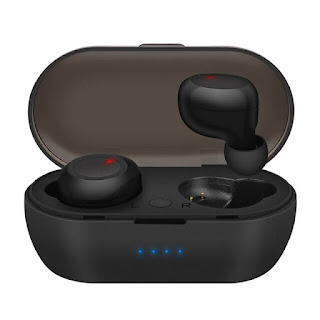

Y50 TWS wireless earphone


 Like we said before, these two pairs of earbuds share a lot of things in common. The only disadvantage of this earbud less hours of play time. 

 Some common features of the Y50 TWS include:

  • Listening time - 3hrs
  • Charging compartment capability.
  • Bluetooth version 5.0
  • Noise canceling feature.
  • Resistance of 123dB
  • Impedance range: 32 Ω
  • 450 mAh 

What would I go for?

Both earbuds are cheap but cannot hold power long. 
If i hade to choose, I'd have picked the V5.1 wireless earbuds. 
They  have a high capacity charging 

I can't say it is the best but it's affordable. It also has a decent earbud charging bale
. 
Have a look at the comparisons and make a smart choice.

If you prefer old school items, then you should go for wired earphones. 
As much as they are more prone to wear and tear, they don't require much maintenance and can serve you for a long time if you take good care of them.

For product video reviews and article reviews, contact me via owtechshop@gmail.com or reach me on social media through these links.


For a great online shopping experience, visit www.marginseye.com

This article was created by Francis Onyach, an artist and writer, on behalf of ow-tech solutions. For tech tutorials, visit our tech YouTube channel Ow-tech solutions

More to love:

Political News

Shopping Guides


Comments

Contact Form

Name

Email *

Message *

Popular posts from this blog

Samsung Glaxy M-series Phones Features and Specifications

Are you planning to buy a samsung m-series smartphone? Here is a list of all the m-series options and there features and specificications: Samsung Galaxy M10: Display: 6.22 inches, HD+ Infinity-V Processor: Exynos 7870 Octa-core RAM: 2GB/3GB Storage: 16GB/32GB (Expandable) Camera: Dual - 13MP (main), 5MP (ultra-wide) Battery: 3400mAh OS: Android 8.1 (Oreo) Samsung Galaxy M20: Display: 6.3 inches, FHD+ Infinity-V Processor: Exynos 7904 Octa-core RAM: 3GB/4GB Storage: 32GB/64GB (Expandable) Camera: Dual - 13MP (main), 5MP (ultra-wide) Battery: 5000mAh OS: Android 8.1 (Oreo), upgradable to Android 10 Samsung Galaxy M30: Display: 6.4 inches, FHD+ Super AMOLED Processor: Exynos 7904 Octa-core RAM: 4GB/6GB Storage: 64GB/128GB (Expandable) Camera: Triple - 13MP (main), 5MP (ultra-wide), 5MP (depth) Battery: 5000mAh OS: Android 8.1 (Oreo), upgradable to Android 10 Samsung Galaxy M40: Display: 6.3 inches, FHD+ Infinity-O Processor: Snapdragon 675 Octa-core RAM: 6GB Storage: 128GB (Non-expandabl...

iPhone 17 – Leaks, Rumored Specs, and What to Expect

  The tech world is buzzing again , Apple’s iPhone 17 is on the horizon, and leaks are giving us an exciting glimpse into what could be the most refined iPhone yet. Set to be announced in September 2025 , the iPhone 17 brings subtle but meaningful upgrades across performance, display, and design. Here's a detailed breakdown of everything we know so far, from leaked specs to expected pricing and new features. Summary of Key Rumored Specs Display: 6.3-inch LTPO OLED, 120 Hz Chipset: Apple A18 (3 nm), 8 GB RAM Camera: 48 MP main + 12 MP ultrawide, 24 MP selfie Battery: Improved efficiency, MagSafe charging Design: Slimmer Dynamic Island, familiar build OS: iOS 26 Price: Expected $899 (US), ₹79,900 (India), AED 3,799 (UAE) Expected Launch Date Apple traditionally launches new iPhones in early to mid-September, and the iPhone 17 is expected to follow suit , likely becoming available globally by late September or early October 2025. Display: Bigger and...

Google Ends the 16GB Android Era: What the New 32GB Minimum Means for Everyone

Google has quietly but decisively ended the era of 16GB Android smartphones. With the rollout of Android 15, any phone that wants to ship with Google apps—including essentials like the Play Store—must now have at least 32GB of internal storage and 2GB of RAM. Devices that fall below this threshold are relegated to the lighter, stripped-down Android Go Edition, or lose access to Google Mobile Services (GMS) entirely This change is more than a technical footnote. It signals a major shift in the Android ecosystem, with far-reaching implications for developers, manufacturers, retailers, marketers, and consumers alike. Why Google Raised the Bar Apps Are Heavier, Expectations Are Higher The days when 16GB could comfortably house the Android OS, a handful of apps, and some photos are long gone. Modern apps—especially those with rich media, AI features, and offline capabilities—are significantly larger. Even so-called “lite” apps have grown in size, and the Android system itself continues to ...

Sponsored Links

View More